Dining tables: seats, sizes and the room around them
How many people a table really seats, the clearance a chair needs, and what extendable tops give and take.
How many people a table really seats
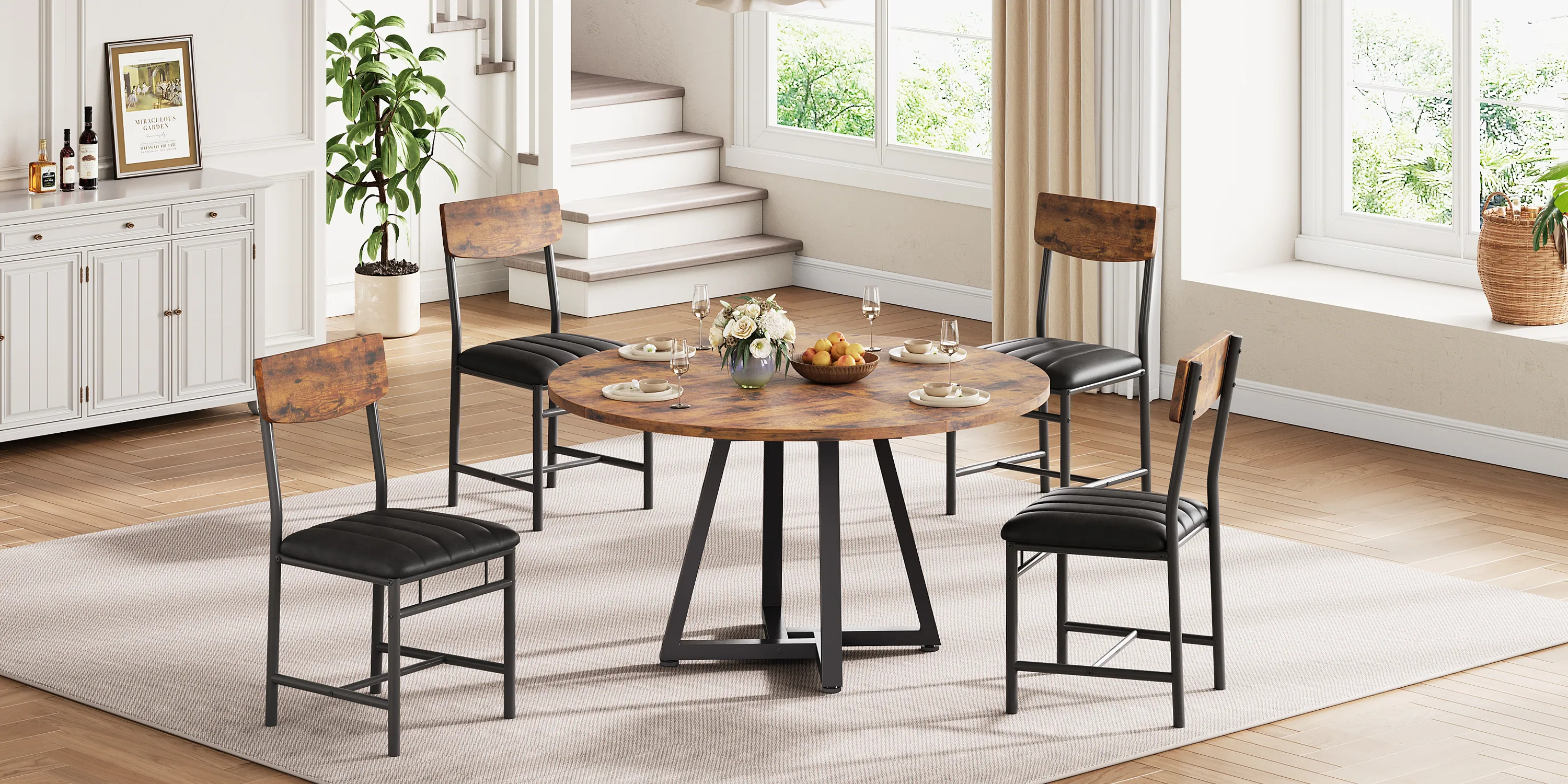
When you look through our dining tables, you will see a seating number on almost every one. Six seats. Eight seats. That figure tells you how many people can fit around the edges with standard dining chairs. It is not quite the same thing as how many people can sit there comfortably and finish a full meal. We think that difference matters, especially when you are choosing furniture you plan to use for years.
A rectangular table we describe as seating six typically runs between 60 and 72 inches long. At those dimensions, six adults can sit down without bumping elbows. You could wedge a seventh person at the head of the table if you had to, but nobody would enjoy it much. The person at that end gets maybe fourteen inches of space. Anyone trying to pass a serving dish has to reach across two other place settings. It works fine for cereal before school. It works poorly for a holiday dinner with relatives.
Round tables operate on similar principles but with different geometry. A 42-inch diameter fits four people comfortably and accommodates five if everyone is willing to scoot closer. At 48 inches, six adults can each have a plate, a glass, and enough room to cut food without nudging the person beside them. Anything under 42 inches is essentially a two-person table regardless of what the label says.
Extension tables come up often too. A single leaf adds about 18 inches of length, which creates room for one or two additional diners depending on placement. If your household normally seats four but you occasionally host eight or ten, an extension design lets you keep a manageable footprint day to day and open up when company comes. The compromise is finding storage for the leaf and accepting that the slide mechanism introduces a small amount of movement compared to a solid surface.
We suggest counting the people who eat at your table most evenings, then adding one to that number. That target accounts for occasional guests, future changes in your household, and the simple fact that some meals call for more elbow room than others.
Round, rectangular and extendable
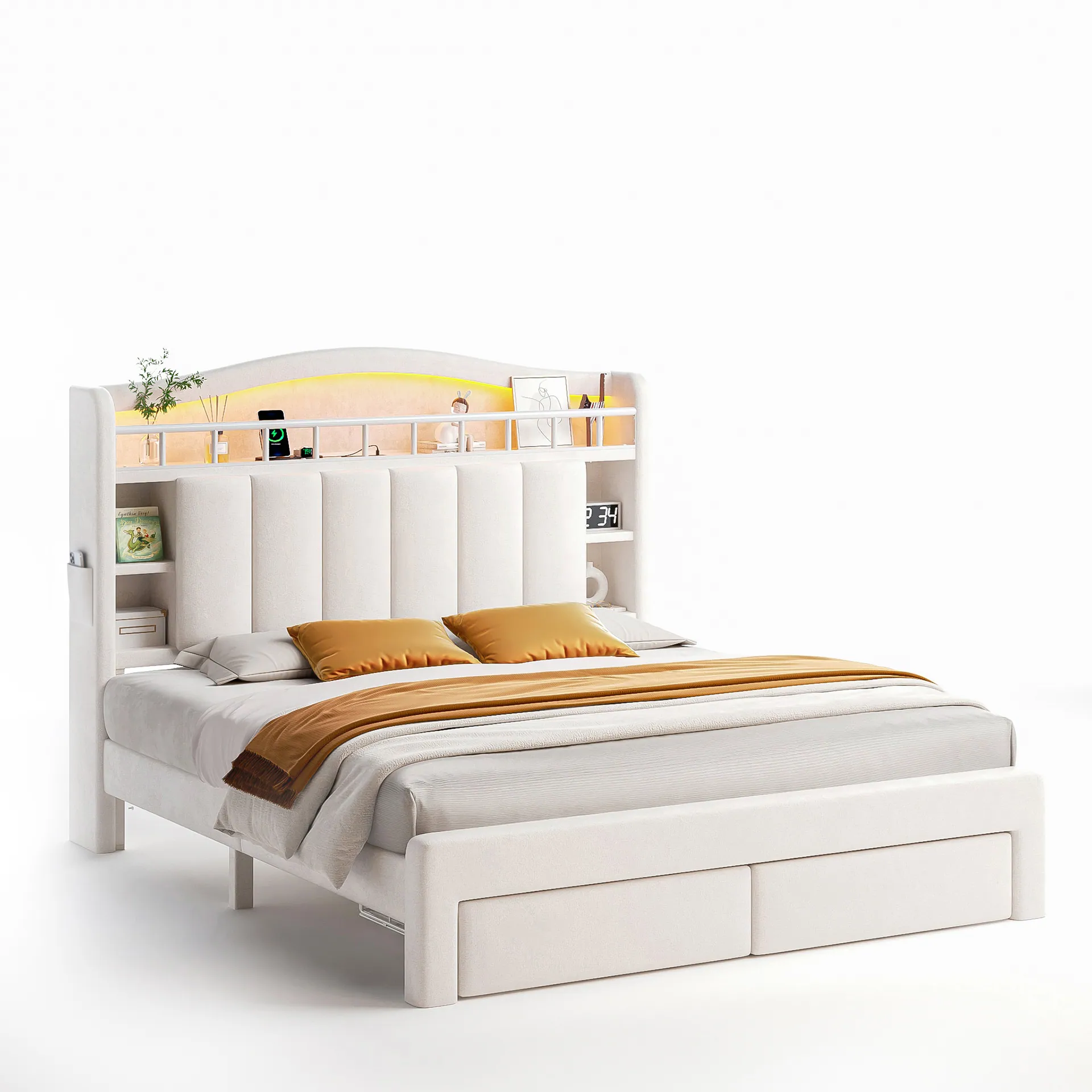
Round tables work well when you want conversation to flow freely around the meal. Everyone can see each other without leaning across a long surface, and nobody gets stuck in the corner with their back to the room. These tables take up less visual space than you might expect from their seating capacity. A round table with a 42-inch diameter typically seats four adults comfortably.
If your dining area is square or close to it, a round shape often fits better than a rectangle would because the corners stay open for walking past. The tradeoff is that you lose some surface area for serving dishes, so round tables suit families who plate food in the kitchen rather than bring everything to the table at once.
Rectangular tables give you more usable surface for the same footprint along the wall. This matters when your meals include serving platters, shared appetizers, or centerpiece arrangements that need room to spread out. Most of our dining tables use a rectangular shape because it works in the widest range of room layouts. A standard 60-inch rectangular table seats six people without forcing anyone to hunch their shoulders.
The longer parallel edges also let you push one side against a wall or tuck it under a bench when you need to reclaim floor space between dinners. Measure the distance from where the table will sit to the nearest wall or obstacle. You want at least 36 inches of clearance so chairs can slide back without hitting anything.
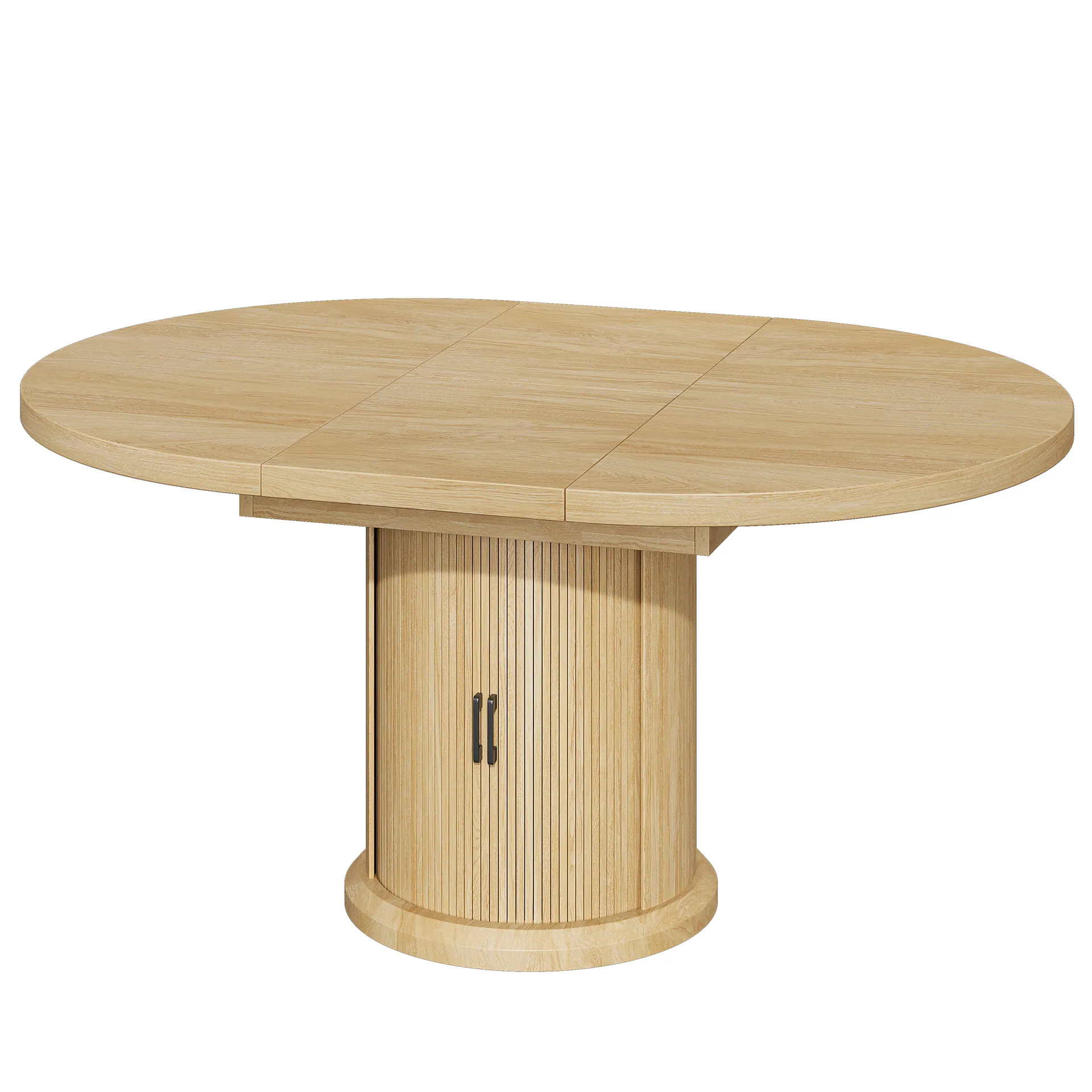
Extendable tables solve the problem of having too much furniture on ordinary days and not enough seating when guests arrive. We design these with leaves that either store inside the tabletop structure or remove completely for storage elsewhere. You keep the table collapsed for weekday breakfasts and homework sessions, then pull it open for holiday gatherings or dinner parties. The extension mechanism should operate smoothly without sticking, and the seam where the leaf meets the main top should sit flush so plates do not wobble.
The clearance a chair needs
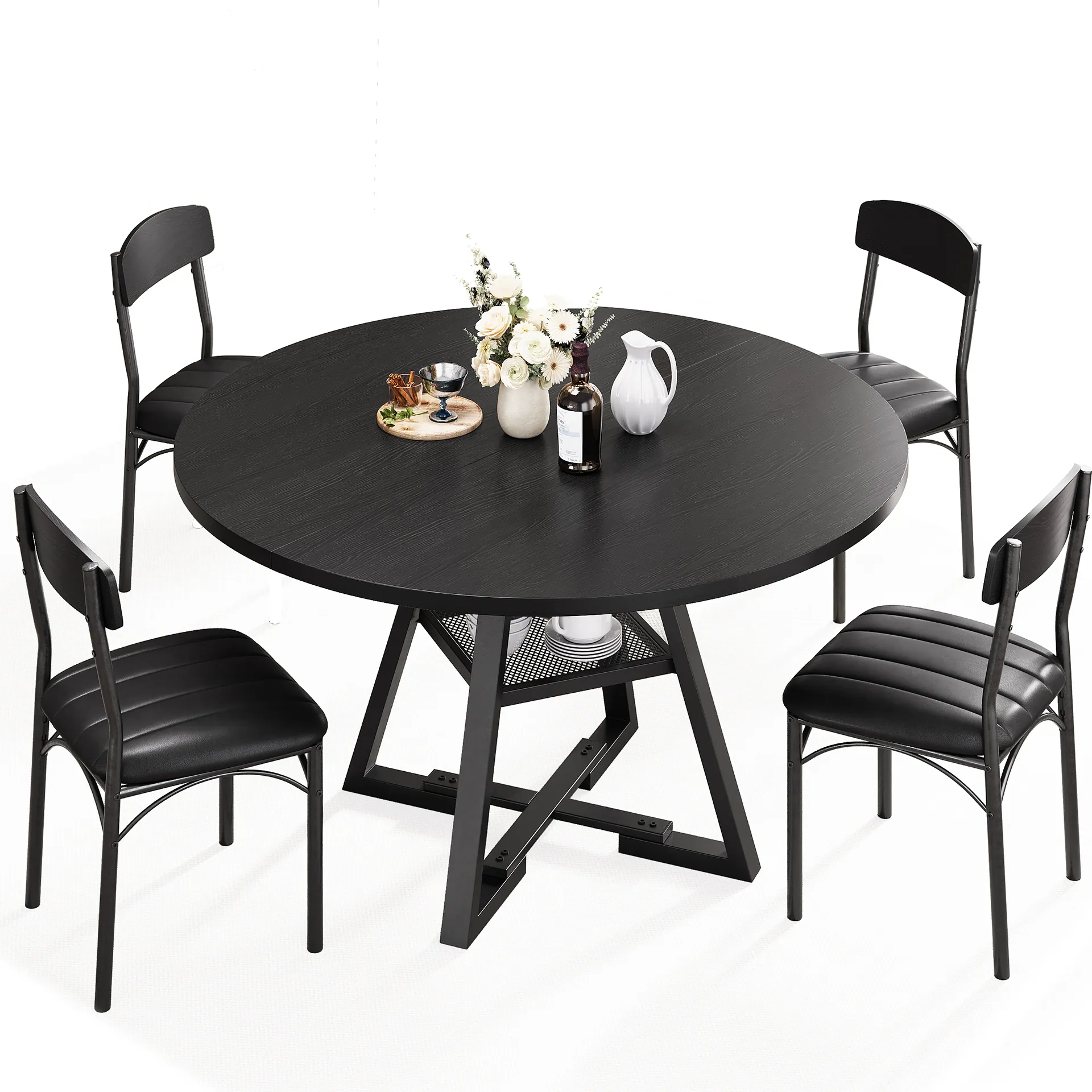
When you sit down at a dining table, the chair you pull out needs room to move. We have learned from building our dining range that most people underestimate how much space that takes. A standard dining chair needs roughly 24 inches of clearance from the edge of the table to the wall or whatever sits behind it. That measurement lets someone stand up without feeling cramped, and it lets another person walk past behind them while they stay seated.
If your chairs have arms, add another inch or two. Upholstered chairs often sit a little wider than the frame suggests once you account for the fabric. We list the dimensions of every table we make, so you can measure the room and work backward from there. Take the length of the table, add 48 inches total (24 on each side), then see whether that fits between the walls or the other furniture you plan to keep in place.
The space behind the seated person matters too. We recommend at least 36 inches of clear walking room between the back of the pulled-out chair and the nearest obstacle. In a tight dining area, that might mean choosing a smaller table rather than hoping everyone will scoot in closer. Our smallest dining tables start under 36 inches long, which can work in spaces where a larger piece would block traffic entirely.
One detail people forget: the corners. If your table sits near a corner or a doorway, the chair swings out in an arc, not a straight line. Measure from the corner to where the chair back will travel at its widest point. A round table helps here because it reduces how far any single chair extends outward from the center. We carry several round options across our dining collection if your floor plan has those kinds of constraints.
Check your measurements before you buy. It saves the awkward moment of realizing a table fits the room but nobody can actually sit at it comfortably. We want you to use our furniture for years, and that starts with picking a size that works honestly with the space you have.
Table height and chair height
Most dining tables we make sit at about 29 to 30 inches tall. That number exists because it works. It lets most adults sit comfortably with their feet flat on the floor and their forearms resting on the tabletop at a natural angle. We have built our standard dining collection around that height, and it is the same measurement you will find on almost every conventional table out there.
The thing that actually matters more than the table itself is your chair. What you want to know is the distance from the floor to the top of the seat. For a standard table, that seat height should land somewhere between 17 and 18 inches. When you pair them together, you end up with roughly 12 inches of space between the seat and the underside of the tabletop. That gap gives you room to cross your legs if you want to, or to pull yourself closer without your thighs hitting the apron underneath.
We see people run into trouble when they mix heights without measuring first. A counter-height table runs 34 to 36 inches tall, which means it needs a seat height of 24 to 26 inches. Bar height goes even taller, usually 40 to 42 inches, and it wants seats at 28 to 30 inches. You cannot use standard dining chairs with either of those. The mismatch becomes obvious the moment you sit down, and there is no way to fix it afterward except to replace one piece or the other.
If you already own chairs you plan to keep, measure them before you browse. Write down that seat height. Then check the product dimensions we publish for each table. We list the overall height on every item, and where the design affects legroom, we include the clearance under the apron too. Ten minutes with a tape measure now saves you the hassle of a return later.
Materials on a surface that gets used
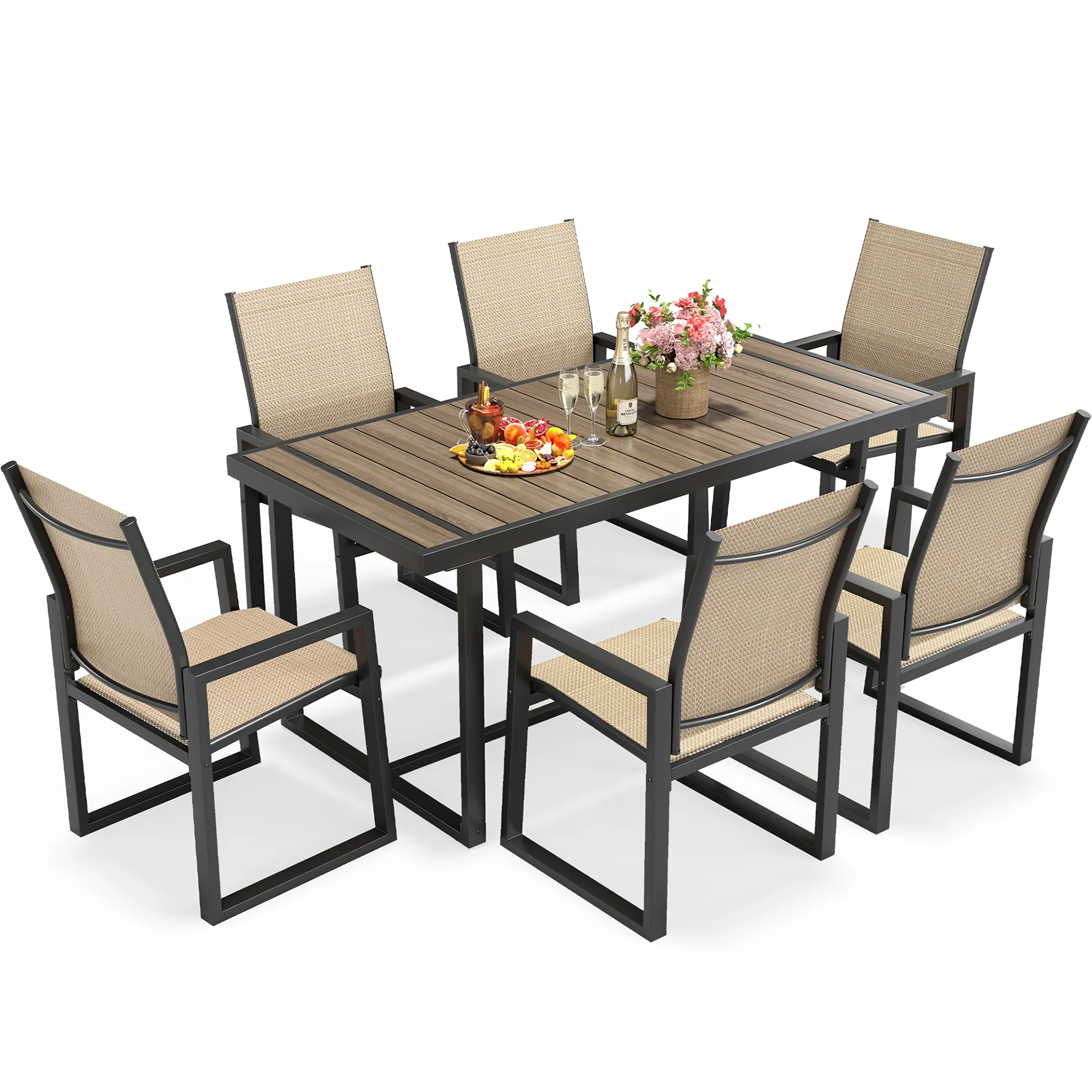
Most of our dining surfaces come in engineered wood. We use it because it stays flat under weight without the cost of solid timber. A tabletop that bows after six months is a problem we set out to avoid when we started making furniture. Engineered wood resists that bowing better than many solid boards do, especially in the widths you need for a table that seats four or six people.
We finish these tops with a surface layer that handles daily contact. Hot plates, spilled coffee, the ring left by a mug through an entire Sunday morning. You will still want trivets for anything straight off the stove, but ordinary mealtime marks clean up without special treatment. None of our dining tables require oiling or resealing the way some solid wood pieces demand.
We also build a smaller number of tables in solid wood. These six models sit toward the upper end of our dining range. They develop a patina over years of use, which some people prefer. They need more attention than the engineered wood versions. If you want that look, we make sure you can see what upkeep comes with it before you commit.
Metal shows up mostly in the frame rather than the top itself. Powder-coated steel holds up well against chair bumps and does not loosen the way thinner tubular steel can after a year of being pulled out from the wall. We set the gauge we accept, and we turn away stock that arrives below it.
Glass appears on just one piece in our current lineup. It wipes down easily and it shows every fingerprint. That works well for some households and poorly for others. We list the thickness and type on that page so you can judge whether it fits your life.
The material you pick shapes how you live with the table day after day. We assembled each of these ourselves at full size before we released them, and we kept notes on what handled real meals without complaint. Those notes decided what stayed in the catalog.
Extension leaves and where they live
Most of our dining tables that extend do so with leaves you add or remove by hand. A leaf is an extra section of tabletop, usually between ten and eighteen inches wide, that slides into a gap in the middle of the table or attaches at one end. Push the two halves apart to create space for the leaf. Pull them together, and the leaf comes out or tucks away underneath.
Where the leaf lives when you are not using it matters more than most people realize until after they have bought the table. We build our extendable dining tables with three main storage setups, and each one changes how the table fits your room.
The first kind stores the leaf inside the table itself. Lift one end of the tabletop, and the leaf rests on a support rail underneath. This is the neatest arrangement because you never hunt for closet space. It does make the table heavier to move, and the mechanism under the surface uses up a few inches of legroom at the ends. If you keep the table small most of the time and only extend it occasionally, this setup serves you well.
The second option uses a detached leaf stored separately. Some of our models include a rack or bracket on the frame where the leaf can rest. For others, you find your own spot, like a closet shelf or the space under a bed. A loose leaf is lighter to handle and gives the closed table its thinnest possible profile. You do need somewhere to put it, though. Measure that spot before you commit. A sixteen-inch-wide leaf needs about as much flat area as a large cutting board.
The third approach appears on some of our larger tables. The leaf attaches to one end instead of sliding into the center. This keeps the table's internal structure simple and often allows a longer maximum length. It does mean the table never folds down to its smallest possible size. You trade some floor space for extra seats at all times.
Benches versus chairs
Benches give you more seats in the same footprint. That is the short version if you are in a hurry. A typical dining chair needs about eighteen inches of width at the table edge. A bench that spans forty-eight inches can fit three adults where two chairs would sit, or four children where you might squeeze in two chairs on each side. When your room measures out tight and you still need to seat six people regularly, a bench on one side of the table often solves the problem without forcing you into a larger table than the space can hold.
Chairs win on individual comfort for long meals. A bench has no back support unless we build one into the design, and even then, it supports everyone at the same angle. Some of us slouch. Some of us sit upright. Chairs let each person find their own position. They also let people get up without disturbing anyone else. If your household uses the table for homework, paperwork, or laptop work between meals, chairs usually work better because you can pull one out and sit alone without moving a whole bench seat.
Think about how you actually store furniture when you do not need it. Most of our benches stay put. They are solid pieces. Chairs stack or tuck under the overhang on many of our table designs. If you clear the dining surface for a project, game night, or holiday prep, chairs slide out of the way. A bench stays where it is. That is fine when you have the floor space. It matters when you do not.
We see households split the difference often. Two chairs at the heads of the table, a bench along one side, maybe another bench or two more chairs opposite depending on who sits there most. The arrangement costs roughly the same as a full set of matching chairs in our Dining Room range, but it gives you flexibility you cannot get any other way. You can always add a chair later. Swapping a bench for one after assembly is harder. Pick based on how the room actually runs day to day, not just on how it looks set for a dinner party.
Small rooms and folding options
Not every dining room stretches out the way we picture it. We know this because we design tables for apartments, breakfast nooks, and rooms that do double duty. When your space runs tight, the math gets simple. You need a surface that works when you use it and gets out of your way when you don't.
Folding tables handle this tradeoff directly. A drop-leaf model sits compact against a wall or tucks into a corner with both leaves down. You pull one or both out when guests arrive. We build these with the same engineered wood frames as our larger pieces, so they hold steady when extended. The hinge mechanism matters here. We test ours through repeated open-and-close cycles because a wobbly leaf after six months defeats the whole purpose.
Round folding tables take up less visual room than rectangular ones. Your eye reads them as smaller even when the seating capacity matches. If you walk past your table more often than you sit at it, consider how much floor space remains around it. Thirty-six inches of clearance lets people pull chairs out without scraping the wall behind them. In a narrow room, that number might dictate your maximum width before you even look at styles.
Some of our dining room pieces include built-in storage drawers underneath. That feature won't shrink your footprint, but it means you aren't adding a separate sideboard or hutch later. Every piece of furniture you skip buying is square footage you keep free.
We also make console tables that convert to full dining surfaces. These start slim enough for an entryway or hallway and extend when you need them. The mechanism differs by model. Some pull out from the center while others unfold from the sides. Check the fully extended dimensions against your room before you commit. A table that fits closed but crowds you when open creates a problem you will face every time you host.
Care that keeps a top flat
Most table tops stay flat for years if you treat them the way they want to be treated. The real enemy isn't accidents. It's slow, steady pressure from the wrong direction. We see warped tops most often in rooms that run hot and dry all winter, then humid all summer without much transition time. Engineered wood handles these swings better than solid boards, and that is why we build with it. No material ignores physics entirely.
Keep your table out of direct sun if you can arrange it. Ultraviolet light doesn't just fade the finish over time. It heats one side of the top while the other stays cooler, and that temperature difference makes the wood fibers expand unevenly. A couple of hours a day causes no real harm. But a south-facing window with afternoon light pouring in for five or six hours straight will start to show effects within a season or two. If your room layout forces the table into that spot, try a UV-filtering film on the glass or throw a tablecloth over the surface during the brightest part of the afternoon.
Heat from underneath matters too. We've seen tops cup upward when a heating vent sits too close below them. Radiant floor systems running very hot directly beneath the furniture can produce the same result. You don't need to relocate the table to the other side of the room. Just make sure there's decent airflow underneath it, and avoid pointing a space heater at one spot on the underside for hours at a stretch.
Weight distribution sounds obvious until you consider how we actually live with these pieces day to day. A heavy decorative bowl parked dead center for months presses down steadily exactly where the span is widest. Move heavy objects around the surface every so often. Always use trivets under hot dishes and pots, even when the tabletop feels thick and solid. Steam from a boiling pot finds its way into any small abrasion in the finish, and once moisture penetrates that protective layer, the wood underneath swells locally. That kind of swelling doesn't reverse itself cleanly.
Choosing once
Most people buy a dining table twice. The first one fits the apartment they have right now. The second one fits the life they actually live. We would rather you skip the middle step.
When we design a table, we start with what happens around it. Not just how many people sit there on Thanksgiving, but who puts their elbows up on Tuesday. Whether homework spreads across one end while dinner finishes on the other. Whether the cat jumps onto it when nobody is looking. A table that works for all of those moments costs about the same as one that only works for the clean ones.
Look at the material first. Our engineered wood tables take the everyday knocks without showing them the way solid wood can. Metal frames hold their shape year after year. Upholstered chairs pull double duty when someone wants to linger at the table after the meal ends. Glass tops look sharp but ask more of you in daily use. Pick the material that matches your household, not just your taste.
Check the dimensions against your room with the door open. We list the measurements for every table because an inch matters when you are pulling a chair out. Measure the path from your front door to where the table will live. If it does not fit through the frame, it does not matter how much you like it.
Storage helps. Many of our dining tables include drawers or shelves because plates and placemats need somewhere to go between meals. A sideboard or server from our collection fills that gap if the table itself does not. Think about what stays on the surface and what gets put away.
We build these to stay in your home. The hardware tolerances we set mean the legs do not wobble after you move. The finishes handle spills that get wiped up later than they should. You are buying something you will use almost every day. Choose it once, and choose it for the days that are not special occasions either.